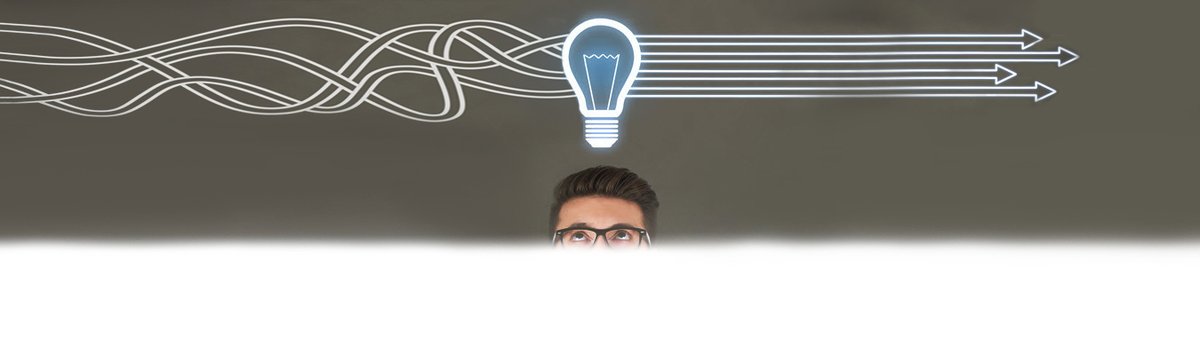
The blank page. It’s a familiar foe, isn't it? That vast, empty expanse that once felt like a playground of endless possibilities now looms, silent and intimidating. Every writer faces it: the well of ideas run dry, the gnawing doubt that perhaps, this time, the words just won't come. If you're wrestling with Overcoming Creative Blocks and Finding New Book Inspiration, know this: you're in excellent company. From literary giants to aspiring authors, creative stagnation is a universal rite of passage, not a personal failing. The true mark of a seasoned creative isn't avoiding these lulls, but mastering the art of navigating them, transforming frustration into fertile ground for fresh stories.
This isn't about waiting for a bolt of lightning; it's about building an ecosystem where inspiration can thrive, even when the clouds roll in. Let’s explore how to clear the fog, reignite your passion, and unearth the compelling narratives waiting within you.
At a Glance: Your Toolkit for Unblocking Creativity
- Normalize the Block: Understand it’s a natural phase, not a permanent state or a sign of inadequacy.
- Shift Your Scenery: Change your physical and mental environment to stimulate new perspectives.
- Embrace Rituals: Build consistent creative habits; don't rely solely on sporadic inspiration.
- Unleash Ideas: Use freewriting and mind mapping to tap into your subconscious and organize thoughts.
- Broaden Your Horizons: Seek inspiration beyond your usual discipline – in other art forms, nature, or daily life.
- Step Away: Take mindful breaks, allow for boredom, and let your subconscious do the work.
- Connect & Collaborate: Engage with others for fresh perspectives and energizing discussions.
- Permit Imperfection: Overcome the fear of failure by embracing messy first drafts and fearless experimentation.
- Declutter Your Domain: Tidy your workspace to reduce mental clutter and instill purpose.
Understanding the Creative Lull: More Than Just "Writer's Block"
Let's start by reframing the problem. Creative blocks aren't a sign you've "lost it." They are a natural, often necessary, pause in your artistic evolution. Think of it less as a broken machine and more as a garden needing new soil, a different kind of light, or simply a period of fallow rest. Successful creatives distinguish themselves precisely by learning how to navigate these periods of stagnation, transforming them into opportunities for growth and reinvention.
These moments force us to step back, re-evaluate, and often, discover entirely new facets of our craft and ourselves. The pressure to constantly produce, coupled with the inherent vulnerability of creation, can quickly lead to burnout. Recognizing this is the first step toward overcoming it.
Your Architect's Toolkit: Core Strategies for Breaking Through
Once you accept that blocks are part of the journey, you can start building effective strategies to move through them. These aren't magic bullets, but rather consistent practices that cultivate an environment where inspiration can flourish.
Shifting Your Scenery: The Power of a New Perspective
Sometimes, the quickest way to inject new ideas is to simply change your surroundings. Our environment subtly shapes our thoughts, mood, and capacity for creativity. Staring at the same four walls can lead to mental stagnation.
- Why it Works: A new place offers novel stimuli—different sounds, sights, smells—that can break neural pathways, spark unexpected connections, and provide a fresh lens through which to view your work. Ernest Hemingway famously sought out the bustling energy of Parisian cafés, finding inspiration in the vibrant street life around him, while director Christopher Nolan is known for writing in non-digital spaces, away from modern distractions. Many artists retreat to the tranquility of nature, using its vastness and complexity to inspire their next project.
- How to Do It:
- Physical Relocation: Head to a local coffee shop, a library, a park bench, or even a different room in your house. The change doesn't need to be radical.
- Mini-Explorations: Take a walk in an unfamiliar neighborhood, visit a museum you haven't been to, or explore a new hiking trail.
- Digital Detox: If you typically work online, try handwriting in a quiet, disconnected space. This simple act can feel remarkably refreshing and remove the usual digital distractions.
Cultivating the Muse: Embrace Daily Creative Rituals
Inspiration is wonderful when it strikes, but it's a notoriously unreliable colleague. Relying solely on its sporadic appearances can leave you stranded. True creative momentum comes from discipline and habit. Treat creativity like a muscle requiring constant exercise.
- Why it Works: Establishing a consistent daily routine eliminates reliance on sporadic inspiration. It builds a habit of consistent creativity, signaling to your brain that this work is important and will happen, regardless of how you "feel." Stephen King, for example, famously commits to writing 2,000 words daily, rain or shine. This kind of dedication builds resilience and a deep connection to your craft.
- How to Do It:
- Set a Schedule: Dedicate a specific time each day to your creative work, even if it’s just 30 minutes. Make it non-negotiable.
- Design Your Own Ritual: Maybe it’s making a specific cup of tea, listening to a certain type of music, or doing a brief meditation before you start. These small actions prime your mind for creative work.
- Consistency Over Quantity: Even if you only manage a few sentences, showing up is the victory. The act of sitting down and engaging, however briefly, keeps the creative channels open.
- For a deeper dive into making your writing habit stick, you might want to streamline your writing process with established techniques.
Unlocking the Subconscious: Freewriting & Mind Mapping for Idea Generation
When ideas feel trapped, you need methods to gently coax them out without judgment. Freewriting and mind mapping are powerful tools for breaking through mental barriers and exploring new conceptual avenues.
Freewriting: Your Brain's Unfiltered Stream
Freewriting is a technique of free-flowing writing, often done without judgment, to declutter the mind and allow subconscious ideas to emerge. It’s about getting words on the page, any words, without stopping to edit, criticize, or even plan.
- Why it Works: It bypasses your inner critic, which is often the biggest saboteur of new ideas. By allowing thoughts to spill onto the page unchecked, you tap into your subconscious, where many hidden connections and nascent ideas reside. Julia Cameron's widely known "Morning Pages" ritual, for instance, involves writing three pages first thing in the morning, emptying the mind before the day truly begins.
- How to Do It:
- Set a Timer: Give yourself 5, 10, or 15 minutes.
- Start Writing: Don't lift your pen (or fingers) from the page. Write whatever comes to mind, even if it's "I have nothing to say."
- No Judgment: Don't worry about grammar, spelling, coherence, or quality. The goal is flow, not perfection.
- Explore a Prompt: If the blankness is too intimidating, start with a simple prompt related to your project, or a random word.
Mind Mapping: Visualizing the Labyrinth of Ideas
Mind Mapping is a visual technique for organizing ideas around a central theme. It involves creating a diagram with the main idea at the center and related topics branching out non-linearly, mirroring the brain’s natural way of processing information.
- Why it Works: Our brains don't think in linear bullet points. Mind mapping encourages divergent thinking, allowing you to see connections, expand on themes, and explore multiple angles that traditional outlining might miss. It’s particularly effective for visually oriented thinkers.
- How to Do It:
- Central Idea: Write your core book concept, problem, or theme in the center of a blank page. Circle it.
- Main Branches: Draw lines radiating out from the center, each representing a major sub-topic or aspect of your central idea.
- Sub-Branches: From each main branch, draw further lines for details, examples, questions, or related concepts.
- Keywords & Images: Use single words or short phrases, and don't be afraid to draw small images or symbols.
- Colors: Use different colors for different branches to enhance visual organization.
These techniques are fantastic starting points when you're trying to find your next book idea or dissect an existing one.
Beyond Your Borders: Sourcing Inspiration from the World Around You
Sometimes the best way to find inspiration for your specific project is to step entirely outside of it—and even outside of your usual art form. Our minds thrive on new input.
- Why it Works: Stepping outside your discipline forces your brain to make novel connections. What you learn in one field might offer a fresh metaphor, character insight, or structural idea for your own work. Vincent Van Gogh drew profound inspiration from Japanese prints, influencing his use of color and composition. Haruki Murakami has often cited his deep influence from jazz music, shaping the rhythm and mood of his prose.
- How to Do It:
- Consume Varied Art: Read poetry, visit an art gallery, listen to a genre of music you rarely explore, watch a foreign film, or attend a play. Pay attention to how other artists tell stories, evoke emotion, or build worlds.
- Observe Life: Be a diligent people-watcher. Eavesdrop (politely!) on conversations. Take field trips to places you wouldn't normally go—a factory, a botanical garden, a local market.
- Engage with Diverse Perspectives: Read non-fiction, documentaries, or news from different cultural viewpoints. Expand your understanding of the human experience. Observing life closely can help you breathe life into your characters or craft immersive worlds that resonate deeply with readers.
The Art of Stepping Back: Rest, Mindfulness, and Allowing Boredom
It sounds counterintuitive to step away when you’re blocked, but overexertion is a common culprit for creative burnout. Your brain needs time to process, synthesize, and simply rest.
- Why it Works: Breaks restore mental energy, clear your mind of the immediate problem, and create space for new ideas to emerge from a state of relaxation or even boredom. When you're constantly stimulated (scrolling, watching, listening), your mind has no room for original thought. Ludwig van Beethoven famously took long walks, finding clarity and musical ideas away from his studio. David Lynch, a proponent of transcendental meditation, advocates for stillness to access deeper levels of creativity.
- How to Do It:
- Scheduled Breaks: Don't just work until you're exhausted. Plan short, regular breaks (e.g., 5-10 minutes every hour).
- Mindful Activities: Go for a walk, meditate, do some light stretching, or simply sit quietly and observe your surroundings without judgment.
- Embrace Boredom: Put away your phone. Resist the urge to fill every quiet moment with stimulation. Stare out the window. Wash the dishes. Let your mind wander. This is often where the best ideas sneak in.
- Sleep: A well-rested mind is a creative mind. Prioritize adequate sleep to allow your brain to consolidate information and make new connections.
The Collaborative Spark: Fueling Creativity with Others
Creativity is often seen as a solitary pursuit, but external input can be an incredible catalyst for new ideas. Engaging with others can provide fresh perspectives, expose blind spots, and spark new directions.
- Why it Works: When you talk about your work, even just articulating the problem, your brain processes it differently. Feedback, even if critical, can open up entirely new avenues of thought. Salvador Dalí famously collaborated with filmmakers, bringing surrealist visions to the screen, while The Beatles consistently evolved their sound through collaborative studio work, bouncing ideas off each other.
- How to Do It:
- Find a Trusted Reader/Partner: Someone who understands your vision but isn't afraid to offer constructive criticism.
- Join a Critique Group: The structured feedback and shared experience can be invaluable.
- Discuss Your Ideas: Talk to non-writers, too! Sometimes the most naive question can lead to a profound insight.
- Brainstorm Together: Even if you're the sole author, collaborating on specific aspects like character backstories or plot twists can be highly generative. Often, discussing your work with others can help you master the art of plot structuring by exposing blind spots you couldn’t see on your own.
- Attend Workshops or Conferences: Immerse yourself in a community of like-minded individuals. The energy and shared passion can be infectious.
Befriending Imperfection: Pushing Through the Fear of Failure
One of the most insidious forms of creative block is perfectionism—the fear that anything you produce won't be good enough. This fear can paralyze you before you even begin.
- Why it Works: Accepting imperfection liberates you to experiment and generate material without the crushing weight of immediate judgment. It separates the generative phase from the editing phase, allowing ideas to flow freely. Neil Gaiman wisely advises allowing oneself to write badly in the first draft, knowing that perfection comes in revision. Similarly, fashion designer Alexander McQueen was known for his fearless experimentation, often destroying and reconstructing pieces to find their ultimate form.
- How to Do It:
- Embrace the "Ugly First Draft": Give yourself permission to write a terrible first draft. It doesn’t have to be good; it just has to exist. The goal is to capture ideas, not to polish them.
- Set Low Stakes: If a project feels too big, break it down. Focus on writing a single paragraph, a character sketch, or a scene fragment.
- Fearless Experimentation: Try writing in a completely different genre, voice, or style for a short period. This can loosen you up and spark unexpected ideas for your main project.
- Know When to Push, When to Pause: Sometimes, pushing through the difficulty directly is necessary to break inertia. Other times, stepping away (as discussed earlier) and returning with fresh eyes is the better strategy. Learn to listen to your creative rhythm.
Declutter Your Domain: The Impact of an Organized Workspace
While it might seem superficial, the state of your physical environment can significantly impact your mental clarity and creative flow.
- Why it Works: A tidy studio or workspace minimizes visual and mental distractions. It instills a sense of purpose and professionalism, making it easier to approach creative tasks. Conversely, a chaotic space can mirror a chaotic mind, making it harder to focus and generate clear ideas.
- How to Do It:
- Clear the Clutter: Dedicate 15-30 minutes to tidying your desk, organizing your files (digital and physical), and putting away unrelated items.
- Create Zones: Designate specific areas for different tasks (e.g., a "writing" zone, a "reading" zone, a "brainstorming" zone).
- Personalize for Inspiration: Surround yourself with objects, art, or books that inspire you, but keep the overall space clean and functional.
Navigating Common Pitfalls & Misconceptions
Despite all these strategies, blocks can still feel deeply personal and frustrating. Let's address a few common questions and misconceptions:
"Is a creative block a sign I'm not a 'real' writer/artist?"
Absolutely not. As established, blocks are a universal part of the creative journey. Every successful artist has faced them. It's how you respond to them that defines your resilience, not their occurrence.
"Should I always force myself to write through a block?"
Not necessarily. While discipline is crucial, there's a difference between pushing through minor resistance and flogging a dead horse. Listen to your body and mind. Sometimes, forcing it leads to burnout or resentment. Experiment to find your balance between gentle persistence and restorative breaks.
"How long should a creative block last?"
There's no fixed timeline. A block might last a few hours, days, weeks, or even months. Focus not on the duration, but on consistently applying the strategies outlined above. The block will lift when you've given your creativity the nourishment, rest, or challenge it needs.
Your Next Chapter Starts Now: Cultivating Lasting Inspiration
Overcoming creative blocks and finding new book inspiration isn't about finding a single solution; it's about cultivating a holistic approach to your creative life. It demands persistence, discipline, curiosity, and an openness to new experiences. Inspiration isn't a mystical force that strikes randomly; it is cultivated through these practices, through showing up, through observing, through engaging, and through allowing yourself the space to be human.
Every moment of creative struggle is an opportunity for growth. See these blocks not as dead ends, but as detours that lead to unexpected and often more rewarding paths. Embrace the discomfort, experiment with new approaches, and trust in your ability to find your way back to the flow. Your next great idea is out there, waiting for you to create the conditions for its arrival. So, go ahead. Take a deep breath, pick a strategy, and begin writing your next chapter.